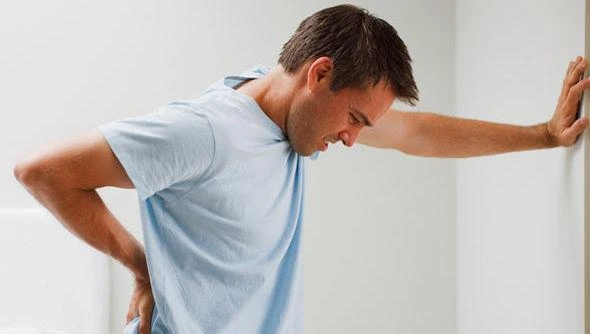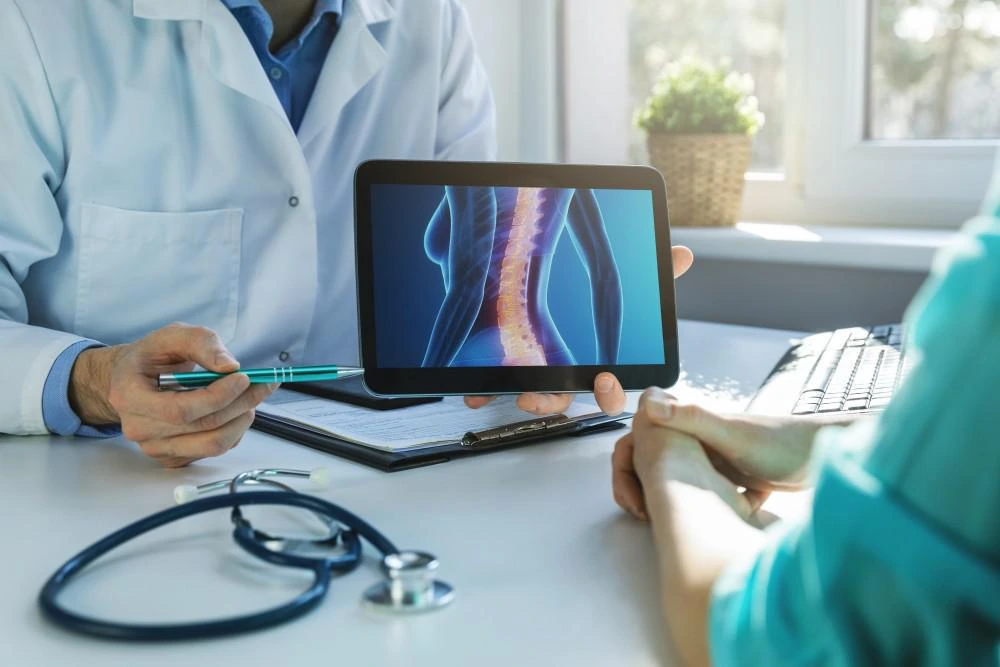

The MILD (Minimally Invasive Lumbar Decompression) procedure is a minimally invasive treatment option for lumbar spinal stenosis, a condition that can cause lower back pain, leg pain, numbness, and difficulty walking or standing. Performed through a very small incision on an outpatient basis, the procedure is designed to relieve pressure on spinal nerves with a shorter recovery than traditional spine surgery.
At Bux Pain Management, Dr. Anjum Bux and our team use the MILD procedure to help patients throughout Kentucky find lasting relief from lumbar spinal stenosis symptoms.
- What Is the Treatment for Lumbar Spinal Stenosis?
- How the MILD Procedure Benefits Lumbar Spinal Stenosis
- What Happens During the MILD Procedure?
- What Happens After the MILD Procedure?
- What Is the Recovery Time for Lumbar Spinal Stenosis Surgery?
- What Are the Symptoms of Lumbar Spinal Stenosis?
- What Are the Causes of Lumbar Spinal Stenosis?
- What Is the Best Treatment for Lumbar Spinal Stenosis?
- What Are the Pros and Cons of the MILD Procedure?
- Find Lasting Relief at Bux Pain Management
What Is the Treatment for Lumbar Spinal Stenosis?
Lumbar spinal stenosis treatment focuses on relieving spinal nerve pressure, reducing pain, and restoring mobility. Depending on the severity of your condition, your pain management team may recommend one or a combination of the following:
- Physical Therapy / Physical Medicine: Strengthening and flexibility exercises to support the spine and relieve pressure on the nerves
- Medications: Nonsteroidal anti-inflammatory drugs (NSAIDs), muscle relaxants, or nerve pain medication
- Epidural Steroid Injections: Corticosteroid injections into the epidural space to reduce inflammation around the compressed nerves
- The MILD Procedure: Minimally invasive lumbar decompression surgery that removes the tissue causing the spinal canal narrowing
For many patients, a conservative, nonsurgical treatment for low back pain is effective and provides short-term improvement. When pain and limited mobility persist, the MILD procedure offers an effective next step, especially for patients who want to avoid the risks of traditional spine surgery.
How the MILD Procedure Benefits Lumbar Spinal Stenosis
The MILD procedure helps relieve lumbar stenosis by removing small portions of thickened ligament tissue contributing to spinal canal narrowing. This decompression creates more space around the nerve roots, which may help reduce spinal stenosis pain and improve mobility over time.
- Minimally Invasive: Performed through a very small incision, typically about the size of an aspirin.
- No Implants Left Behind: Unlike some spine procedures that use permanent hardware, the MILD procedure does not place screws, rods, or spacers in the spine.
- Outpatient Procedure: Most patients go home the same day.
- Local Anesthesia with Mild Sedation: The MILD procedure is typically performed without general anesthesia, which may reduce some of the risks and recovery time associated with being fully unconscious during surgery.
- Long-Term Symptom Improvement: Peer-reviewed studies have shown significant improvements in pain and mobility through two-year follow-ups.
- Low Complication Rate: Studies have shown a very low risk of complications compared to many traditional spine surgeries.
In one clinical study, patients treated with the MILD procedure increased their average standing time from 8 minutes to 56 minutes. For people whose daily lives have been limited by spinal stenosis, that kind of improvement changes everything.
What Happens During the MILD Procedure?
Understanding what to expect can help you feel more confident going into treatment. Here is what typically happens during the MILD procedure, step by step:
- You receive local anesthesia and mild sedation. You remain awake but comfortable throughout the procedure.
- Your doctor makes a very small incision in the lower back and uses fluoroscopic (real-time X-ray) guidance to access the affected area of the lumbar spine.
- Contrast dye is injected into the epidural space so the doctor can better visualize the narrowed area on imaging.
- Using specialized tools inserted through a small port, the doctor carefully removes small portions of thickened ligament tissue (ligamentum flavum) contributing to spinal canal narrowing.
- The doctor monitors the contrast flow to help confirm that adequate decompression has been achieved.
- The incision is closed. Because the incision is very small, stitches are often not needed.
The entire procedure typically takes about one hour from start to finish.
What Happens After the MILD Procedure?
Recovery from the MILD procedure is significantly shorter than recovery from traditional spinal surgery. Here is a general timeline of what to expect:
The Day of the Procedure
After the procedure, you rest in a recovery area while the sedation wears off. Your care team monitors you for a short period, and if everything looks good, you go home the same day. Some soreness and mild swelling near the incision site are normal. Your doctor may prescribe pain medication or a muscle relaxer to keep you comfortable. Avoid driving, bathing, or swimming on the day of the procedure.
One Week After the Procedure
Any pain or swelling around the incision should begin to subside within the first few days. You can remove the dressing by the end of the first week. Light daily activities are generally fine, but avoid heavy lifting or strenuous exercise. Depending on your job, many patients return to work within a few days.
One Month After the Procedure
By one month, most patients notice a significant improvement in mobility and a reduction in lower back pain. Your doctor may recommend starting or resuming physical therapy exercises to strengthen the muscles supporting your lumbar spine and help you maintain your results over the long term.
What Is the Recovery Time for Lumbar Spinal Stenosis Surgery?
Recovery time depends on the type of procedure. Traditional spinal surgery, such as a laminectomy, may require several weeks to months before you can fully return to normal activity. The MILD procedure, by comparison, allows most patients to resume light activities within 24 to 48 hours and return to their regular routine within a few weeks.
Because MILD uses a smaller incision and does not require general anesthesia, the body has less tissue to heal, which is why recovery is faster and more comfortable for most patients.
What Is the Best Painkiller for Spinal Stenosis?
For many patients, nonsteroidal anti-inflammatory drugs (NSAIDs) such as ibuprofen or naproxen are the first-line pain relief options for spinal stenosis. NSAIDs help reduce inflammation around the compressed nerves, which can ease pain and improve comfort.
Your doctor may also recommend muscle relaxants, nerve pain medications like gabapentin, or short-term use of prescription pain medication, depending on the severity of your symptoms. Pain management is most effective when it is part of a broader treatment plan that includes physical therapy and, when appropriate, procedures like MILD.
What Are the Exercises for Spinal Stenosis?
Gentle, targeted exercises may help manage spinal stenosis symptoms by strengthening the muscles that support the spine, improving flexibility, and reducing strain on irritated nerves. Because symptoms and severity can vary from person to person, working with a physical therapist can help ensure you are following a safe and effective routine tailored to your condition. Commonly recommended exercises include:
- Knee-to-Chest Stretches: Gently stretch the lower back, which may help relieve pressure in the lumbar spine
- Pelvic Tilts: Help strengthen the core muscles that support spinal alignment
- Child’s Pose: A flexion-based stretch that may help reduce tension and ease pressure on spinal nerves
- Supported Bridge: Build strength in the glutes and lower back to better support the spine
Always check with your doctor or physical therapist before beginning a new exercise routine, especially if you have been diagnosed with lumbar spinal stenosis.
What Is the Success Rate of Surgery for Spinal Stenosis?
The success rate for spinal stenosis surgery ranges from 70 percent to 90 percent on average, depending on the procedure and the individual patient. The MILD procedure specifically has shown strong outcomes in clinical trials, with patients reporting significant and sustained improvement in pain, mobility, and quality of life through two-year follow-up periods.
Because MILD is less invasive than traditional decompression surgery or spinal fusion, it also carries a lower risk of complications, making it an effective option for patients who may not be candidates for more aggressive surgical approaches.
What Are the Symptoms of Lumbar Spinal Stenosis?
Lumbar spinal stenosis symptoms vary from person to person, but the most common signs include:
- Low back pain that worsens with standing or walking
- Sciatica — pain, tingling, or numbness that radiates down one or both legs
- Leg numbness or weakness, especially after extended periods of standing
- Forward-bending relief — symptoms that improve when you sit down, lean forward, or bend at the waist
If these symptoms sound familiar, it is important to see a pain management specialist for a proper diagnosis. Imaging, such as an MRI or CT scan, can confirm whether lumbar spinal stenosis is the cause.
What Are the Causes of Lumbar Spinal Stenosis?
Lumbar spinal stenosis is usually the result of age-related changes in the spine. The most common causes include:
- Thickened Ligaments: The ligamentum flavum, a ligament that runs along the inside of the spinal canal, can thicken over time and push into the spinal canal space, putting pressure on nearby nerve roots.
- Degenerative Disc Disease: As spinal discs lose moisture and height with age, the disc space narrows, which can contribute to spinal canal narrowing and increased pressure on nearby nerves.
- Bone Spurs: Also called osteophytes, these bony growths develop along the edges of vertebrae as a result of wear and tear (spondylosis) and can protrude into the spinal canal.
- Osteoarthritis: Degeneration of the facet joints in the spine can contribute to inflammation, joint enlargement, and narrowing of the spinal canal over time.
In some cases, congenital spinal stenosis, being born with a naturally narrow spinal canal, can make a person more likely to develop symptoms earlier in life.
What Is the Best Treatment for Lumbar Spinal Stenosis?
The best treatment for lumbar spinal stenosis depends on the severity of your symptoms, the cause of the spinal narrowing, and how well you have responded to earlier treatments. Many patients begin with conservative care such as physical therapy, anti-inflammatory medications, and epidural steroid injections to help manage pain and improve mobility.
When these treatments no longer provide lasting relief, the MILD procedure may be an effective next step. The MILD (Minimally Invasive Lumbar Decompression) procedure is designed to relieve pressure on spinal nerves by removing small portions of thickened ligament tissue contributing to spinal canal narrowing. Because the procedure is minimally invasive and typically performed without general anesthesia, it may offer meaningful symptom improvement with a shorter recovery than traditional spine surgery.
What Are the Pros and Cons of the MILD Procedure?
Like any medical procedure, MILD has both advantages and limitations worth understanding.
Pros:
- Fast Recovery: Many patients resume normal daily activities within days rather than weeks.
- Documented Pain and Mobility Improvements: Clinical studies have shown significant improvements in pain and mobility through two-year follow-ups.
- Minimally Invasive: Performed through a very small incision and typically without general anesthesia
- Low Complication Rate: Studies have shown a low risk of complications compared to many traditional spine surgeries.
- Long-Lasting Symptom Relief: Treats one common source of spinal canal narrowing rather than only temporarily reducing inflammation or pain.
Cons:
- Temporary Side Effects: Mild soreness, swelling, or bruising at the incision site can occur and typically resolves within days.
- May Not Be Effective for Everyone: Patients with severe cases of spinal stenosis, spinal instability, or previous spinal hardware may require a different treatment approach.
- Procedure Risks: As with any spinal procedure, there is a small risk of infection, bleeding, nerve injury, or persistent symptoms after treatment.
Find Lasting Relief at Bux Pain Management
If lumbar spinal stenosis is limiting your ability to stand, walk, or enjoy your daily routine, the MILD procedure may be the next step toward real, lasting relief. At Bux Pain Management, we specialize in minimally invasive lumbar decompression and advanced pain management techniques designed to get you back to living without pain.
Contact us at 859-765-1479 or via our online form to schedule a consultation with Dr. Anjum Bux and our team at one of our four Kentucky locations in Lexington or Danville.